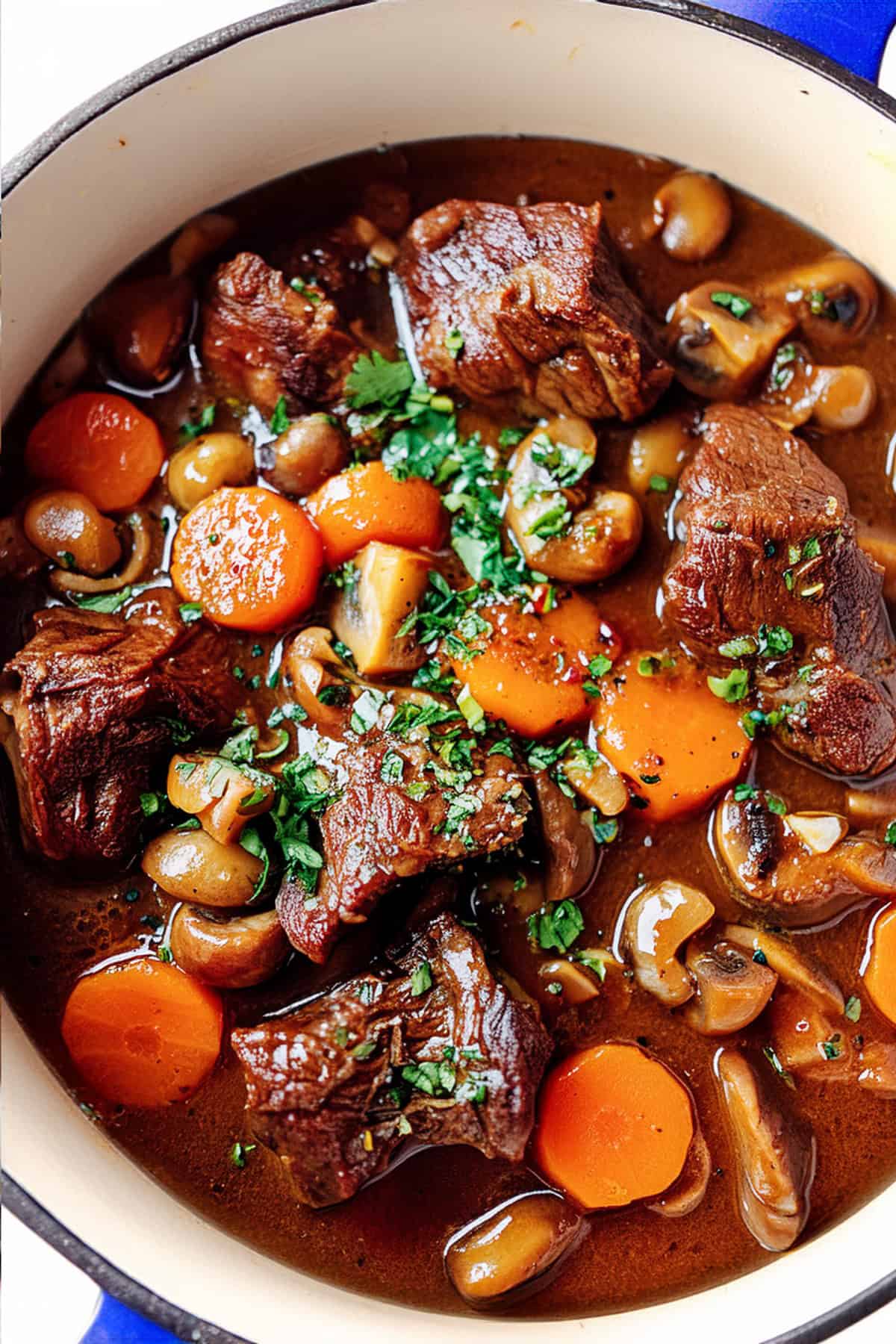
There are few culinary experiences as universally comforting and deeply satisfying as a plate of perfectly braised boneless short ribs. This humble cut of beef, when subjected to the magic of low-and-slow cooking, transforms into a melt-in-your-mouth delicacy, rich in flavor and tender beyond belief. While the basic technique of braising remains consistent, the choice of braising liquid offers an incredible canvas for culinary creativity, allowing you to impart vastly different flavor profiles. In this ultimate guide, we'll explore three beloved liquid foundations – cider, Guinness, and wine – showing you how to unlock distinct and delicious versions of this classic dish.
The Art of Braising: Why Boneless Short Ribs Shine
Braising is an ancient cooking method that involves searing meat at high heat, then slowly cooking it in a covered pot with a liquid (such as broth, wine, beer, or cider) at a lower temperature for an extended period. This dual approach is perfect for tougher cuts of meat, like short ribs, which are rich in connective tissue. The initial sear creates a flavorful crust through the Maillard reaction, while the slow, moist heat breaks down collagen into gelatin, resulting in that coveted fork-tender texture.
Boneless short ribs offer a fantastic advantage for the home cook. While bone-in short ribs are undeniably delicious and can add even more depth to a braise, the boneless variety provides ultimate convenience. You get all the meaty goodness without the hassle of navigating around bones, making them easier to portion, serve, and enjoy. Their inherent marbling and thick, beefy texture make them ideal candidates for this transformative cooking method.
Flavor Foundations: Cider, Guinness, & Wine Explained
The braising liquid is the heart of your dish, infusing the meat with its distinct character. Let's delve into how cider, Guinness, and wine each bring a unique personality to your boneless short ribs.
Cider: Bright, Tangy & Fruity
For a lighter, yet still deeply flavorful, take on braised boneless short ribs, look no further than cider. The acidity and subtle sweetness of apple cider or raw apple cider vinegar create a wonderfully balanced profile that cuts through the richness of the beef.
- Apple Cider Vinegar: As seen in some culinary traditions, a raw apple cider vinegar can provide a sharp tang that brightens the overall dish. It's often used sparingly, perhaps diluted or combined with other liquids, to ensure it doesn't overpower.
- Sweet or Hard Cider: Using a good quality apple cider (sweet) or even a dry hard cider can introduce beautiful fruity notes without excessive sweetness. The sugars in the cider caramelize during cooking, adding complexity, while the acidity helps tenderize the meat.
Cider-braised short ribs pair exceptionally well with fruits like figs, peaches, apricots, or plums. These fruits, whether fresh or dried, contribute additional layers of sweetness and a delicate tartness that complements the beef and cider beautifully. Imagine the robust flavor of the short ribs enhanced by the soft, honeyed sweetness of figs – a truly regal meal, perfect for a special occasion or mastering tender braised boneless short ribs for weeklong comfort. If figs aren't in season, stone fruits are an excellent substitute, offering similar flavor and textural contributions.
To deepen the cider profile, consider adding aromatic vegetables like onions and garlic, and a touch of warming spices like cinnamon or allspice. The result is a dish that feels simultaneously comforting and refreshingly elegant. For more adventurous pairings with fruit or citrus, check out our guide on Beyond the Basics: Boneless Short Ribs with Fruit or Citrus Slaw.
Guinness: Deep, Earthy & Robust
When you crave an incredibly rich, earthy, and satisfying dish, Guinness is your go-to braising liquid. This dark Irish stout imparts a distinctive malty, roasted flavor with subtle bitter undertones that harmonize exceptionally well with beef. It’s a classic choice for a reason, evoking the warmth of traditional Irish hospitality.
The magic of Guinness braised boneless short ribs often begins with an overnight marinade. Submerging the seasoned short ribs in Guinness allows the beer's complex flavors to penetrate deeply into the meat, ensuring every bite is infused with its distinctive character. The marinating process also aids in tenderization, setting the stage for an extraordinarily succulent final product.
Key steps for Guinness Braised Short Ribs often include:
- Overnight Marination: Generously season 3 lbs. of boneless short ribs with kosher salt and freshly ground pepper. Place them in a non-reactive bowl, pour in two cans of Guinness, cover, and refrigerate overnight, turning once.
- Marinade Reduction: The next day, pour the marinade into a pot and reduce it by half – this concentrates the flavors immensely.
- Dredging and Browning: Toss the marinated ribs with ½ cup of flour in a plastic bag. Sear them in batches in extra virgin olive oil until beautifully browned. This crucial step develops a rich crust and locks in moisture.
- Building the Base: Deglaze the pan with chopped onions and garlic, scraping up all the flavorful "fond" from the bottom.
- Slow Simmer: Combine the reduced marinade, browned ribs, sautéed aromatics, beef broth, and fresh thyme sprigs. Bring to a boil, then reduce to a gentle simmer. Cook, partially covered, for 2.5 to 3 hours, stirring periodically, until the meat is incredibly tender and easily separates with a fork.
- Finishing Touch: Add baby carrots for the last 30 minutes of cooking for a tender bite.
The resulting gravy, thickened by the flour from dredging and enriched by the Guinness, is phenomenal over broad noodles, mashed potatoes, or polenta. Garnish with fresh parsley for a vibrant finish. The earthy depth of Guinness is truly unparalleled for a hearty, comforting meal.
Wine: Elegant & Versatile
Wine, whether red or white, brings sophistication and incredible depth to braised boneless short ribs. Its acidity helps break down tough fibers, while its aromatic compounds infuse the meat with nuanced flavors.
- Red Wine: A classic choice, red wine like a Cabernet Sauvignon, Pinot Noir, or even a robust Zinfandel, lends a deep, complex flavor profile. It often results in a richer, darker sauce with notes of dark fruit, earth, and sometimes spice. Red wine braised short ribs are typically served with equally rich sides like creamy polenta, mashed potatoes, or risotto.
- White Wine: Don't underestimate the power of white wine in braising! While less common for red meat, a dry white wine such as Chardonnay or Sauvignon Blanc can create a remarkably bright and elegant dish. As some chefs have demonstrated, opting for white wine, especially with fresh, zesty accompaniments, can be a delightful departure from tradition. White wine brings a sharper acidity and often citrusy or floral notes that can lighten the overall impression of a heavy, rich cut like short ribs. This can be a brilliant move if you're aiming for a dish that, while comforting, doesn't feel overly heavy.
The key to successful white wine braising is often the pairing. A dish of white wine-braised short ribs can be beautifully balanced by a fresh, vibrant side like a citrus garlic slaw, made with red grapefruit and orange juices blended with fresh garlic. This kind of slaw provides a refreshing counterpoint, cutting through the richness of the beef with its acidity and crisp texture, proving that sometimes, breaking traditional wine pairing rules leads to culinary genius.
Mastering the Technique: Tips for Perfect Braised Boneless Short Ribs
Regardless of your chosen liquid, a few universal techniques will ensure your braised boneless short ribs are consistently exceptional:
- Quality Meat: Start with good quality boneless short ribs, preferably grass-fed for superior flavor. Trim any excessive fat, but leave some for moisture and flavor.
- Sear Aggressively: Don't skip or rush the browning step. A deep, dark sear on all sides is crucial for developing rich, complex flavors (the Maillard reaction).
- Build Your Aromatics: A base of sautéed onions, carrots, and celery (mirepoix) or simply onions and garlic, provides a foundational layer of flavor for your braising liquid.
- Deglaze Properly: After searing the meat and sautéing the aromatics, pour a splash of your braising liquid into the hot pan and scrape up all the browned bits (fond) from the bottom. This is pure flavor gold for your sauce.
- Cover and Cook Low & Slow: Braising is not a race. Use a heavy, oven-safe pot with a tight-fitting lid. Cook at a consistent low temperature (around 300-325°F or on a very low stovetop simmer) until the meat is fall-apart tender. This typically takes 2.5 to 3.5 hours.
- Test for Doneness: The meat should easily shred or separate with a fork, with no resistance.
- Rest and Skim: Once cooked, let the short ribs rest in their liquid for a bit. This allows the meat to reabsorb juices. Before serving, skim any excess fat from the surface of the sauce.
- Overnight Magic: Braised dishes almost always taste better the next day. The flavors meld and deepen overnight, making them perfect for mastering tender braised boneless short ribs for weeklong comfort and meal prep.
Meal Prep and Leftover Brilliance
One of the most appealing aspects of braised boneless short ribs is their incredible suitability for meal prepping. A generous batch cooked on a Sunday can provide delicious, gourmet-level meals for an entire week. The flavors, far from diminishing, actually improve over time, making leftovers a highly anticipated event.
Don't be afraid to repurpose your leftovers! Beyond simply reheating, consider shredding the meat and sauce for:
- • Hearty sandwiches or sliders
- • Flavorful tacos or burritos
- • A rich pasta sauce
- • The base for a shepherd's pie
- • Stuffed bell peppers or baked potatoes
The versatility ensures you'll never tire of this magnificent dish.
Ultimately, braised boneless short ribs offer a culinary journey that rewards patience with unparalleled flavor and tenderness. Whether you choose the bright tang of cider, the earthy depth of Guinness, or the sophisticated notes of wine, you're guaranteed a truly memorable meal. Experiment with these different liquid bases, explore various fruit and vegetable pairings, and discover your favorite way to enjoy this ultimate comfort food. Happy braising!
